
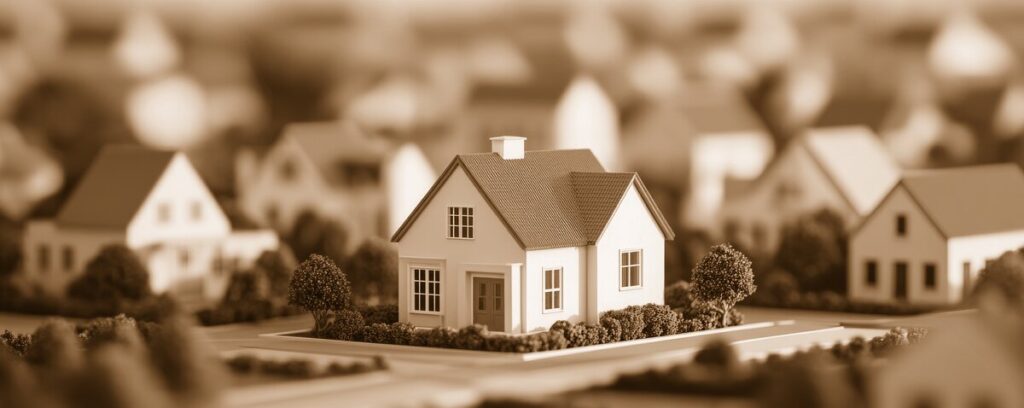
A Walk Through Time in Hebron
Nestled on the southern edge of Lebanon, PA, the Hebron neighborhood is more than just a collection of houses and streets—it’s a living testament to the city’s storied past, resilient spirit, and proud heritage. For those who grew up wandering its tree-lined blocks or attending local schools, Hebron is a place woven with memories and meaning. For newcomers or visitors, it’s a neighborhood worth discovering, where every corner hints at its rich history and enduring community bonds.
Origins of Hebron
Hebron’s name, like many local landmarks in this central Pennsylvania region, is steeped in biblical influence—borrowing from the ancient city of Hebron, one of the oldest continuously inhabited cities in the world. Much like its namesake, our Hebron has long been a hub of community life and a sanctuary for generations of families.
The neighborhood’s roots trace back to the late 19th century, initially growing as an industrial extension to downtown Lebanon. With the expansion of local industries—most notably the Lebanon Steel Foundry and the bustling railroad lines that crisscrossed the region—working-class families sought new homes just beyond the heart of the city. Hebron’s location, bounded roughly by Lehman Street to the north, South 5th Avenue to the west, and stretching down toward Colebrook Road, made it a natural choice for these burgeoning households.
How the Neighborhood Got Its Name
The story behind the name “Hebron” is both simple and poetic. As with many developments in Lebanon County during the 1800s, biblical references were favored for their sense of moral purpose and rootedness in tradition. The first Hebron schoolhouse and later Hebron Lutheran Church both helped to reinforce the neighborhood’s identity. The name stuck, and Hebron soon appeared on city maps, a quiet nod to the spiritual and community-minded values of its early settlers.
Key Historical Milestones
Through the decades, Hebron became known for its strong sense of neighborliness and resilience in the face of change.
- *Industrial Growth (Late 1800s – Early 1900s)*: The proximity to the Pennsylvania Railroad and nearby factories drew a diverse mix of German, Irish, and Eastern European immigrants. This period saw the construction of sturdy row homes and the modest single-family houses that still lend Hebron its historic charm.
- *Hebron Elementary School (Built in 1911)*: For over a century, Hebron Elementary stood as a beacon for local education, welcoming generations of students through its doors on East Walnut Street. Though it has since closed, alumni fondly recall community picnics on the playground and neighborhood baseball games.
- *Hebron Hose Company (Established in 1891)*: Volunteer firefighting has always been a cornerstone of community spirit in Lebanon, and the Hebron Hose Company station on East Walnut Street is one of the oldest in the city. Its iconic red brick façade has watched over countless parades, fairs, and Fourth of July celebrations.
- *The Great Flood of 1972*: When Hurricane Agnes swept through, Hebron’s low-lying streets, especially near Stoever Avenue and East Chestnut Street, were among the hardest hit. But true to form, neighbors banded together to rebuild, reinforcing the deep sense of pride and solidarity that defines the area even today.
Notable Landmarks and Beloved Institutions
No visit to Hebron is complete without a stroll past some of the neighborhood’s cherished sites:
- *Hebron Fire Hall*: An anchor for the neighborhood, the fire hall on East Walnut isn’t just about safety—it’s a social epicenter for ham suppers, holiday events, and bingo nights.
- *Salvation Army Lebanon Corps Community Center*: Sitting prominently at 1031 Guilford Street, this institution has supported generations of Hebron residents, offering everything from youth programs to thrift sales.
- *Iglesia Cristiana Emanuel*: Formerly the Hebron Lutheran Church on East Walnut Street, this building reflects the evolving demographics and enduring spiritual life of the community.
- *Maple Street Playground*: Tucked between South 8th and 9th Streets, this green patch invites children to play and families to gather, keeping the spirit of neighborly fun alive.
Evolution and Enduring Spirit
Over the years, Hebron has transformed with the times. The stately maples lining Lehman Street and the neat brick homes along East Chestnut stand as silent witnesses to waves of change—from the postwar building booms to the arrival of new cultures and businesses in recent decades.
Today, you’ll hear as much Spanish as English, especially along the busy corridors of Walton and Mifflin Streets. Taquerias, corner stores, and bakeries have joined longtime family businesses, reflecting both the vibrancy and adaptability of Hebron’s residents. This blend of old and new is part of what gives the neighborhood its unique flavor—where second-generation residents exchange greetings at the fire hall bake sale and new arrivals plant roots with backyard gardens and block parties.
Hebron’s schools may have changed names and some factories have long since closed, but the neighborhood’s heart remains unchanged. Whether you’re visiting for one of the community fairs, walking your dog through the leafy lanes around Maple Street, or helping a neighbor shovel out after a rare snowstorm, there’s a comforting sense of continuity here.
Conclusion: Hebron’s Living Heritage
More than just a neighborhood, Hebron is a testament to the history of Lebanon itself—a place where stories are passed down on porches, in corner shops, and across generations. Its streets are lined with history, but it’s the resilient, caring people who make Hebron special.
Those who call it home know: Hebron is not just where you live, but where you belong.